Understanding Online Mastering
What is Online Mastering?
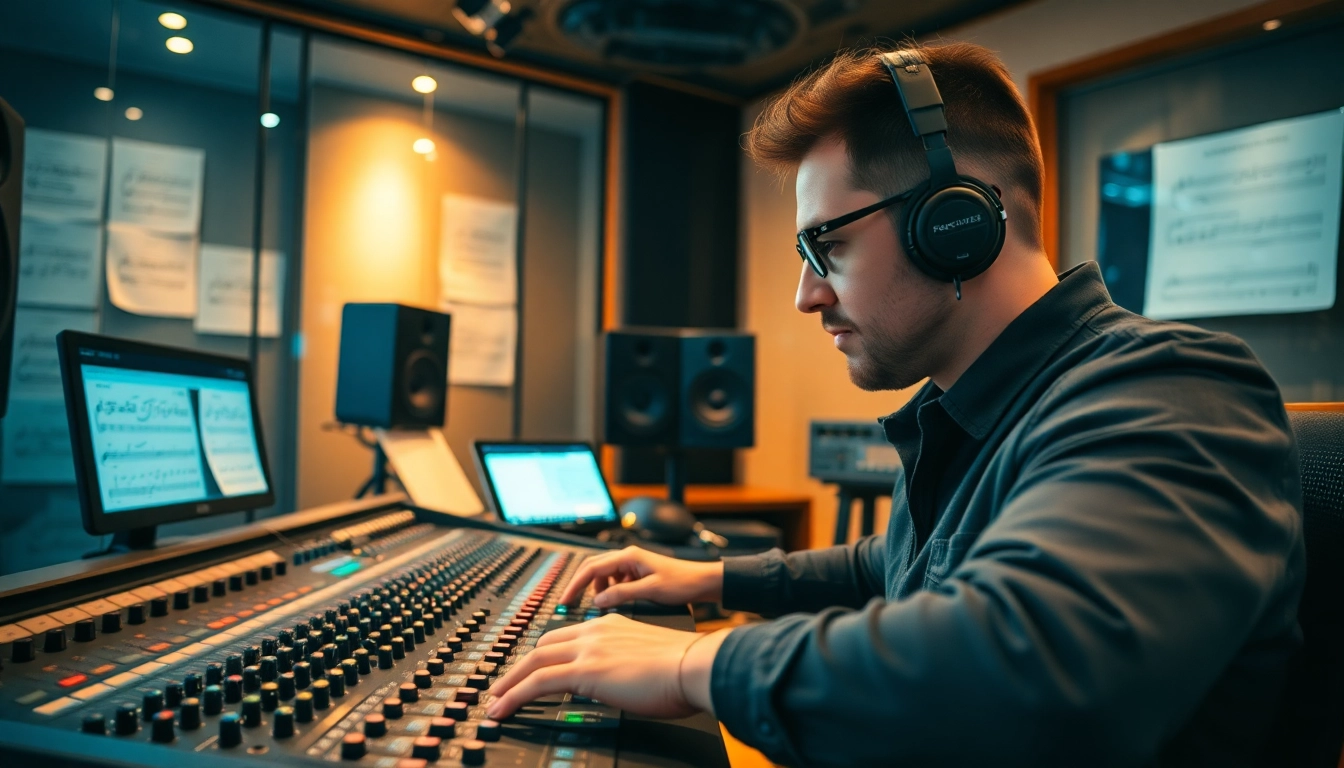
Online mastering is the final stage in the music production process where an audio track is polished to achieve a professional sound ready for distribution. Unlike traditional mastering, which typically occurs in a studio environment with specialized equipment, online mastering utilizes digital platforms and tools, allowing artists to send their tracks over the internet. This democratizes the process, making it accessible to independent musicians and producers who may not have the means to visit a physical mastering studio.
Benefits of Online Mastering
The primary benefits of online mastering include convenience, affordability, and accessibility. Artists can access world-class mastering services without geographical constraints or the high costs associated with in-person sessions. Additionally, online services often provide quick turnaround times, allowing musicians to get their work released faster. Furthermore, they may offer a range of services, from stereo mastering to vinyl preparation, accommodating various formats and preferences.
Choosing the Right Online Mastering Service
Selecting an online mastering service is critical and involves evaluating several factors. Look for a provider with a strong reputation and solid testimonials. Pay attention to the variety of services offered, as some platforms may focus on specific genres or techniques. Additionally, it’s important to consider the pricing structure: some services offer pay-per-track models, while others work on a subscription basis. Understanding your needs will help streamline your choice. For a comprehensive understanding of services, visiting resources such as online mastering websites is beneficial.
The Process of Online Mastering
Preparing Your Tracks for Online Mastering
Successfully preparing your tracks for online mastering can significantly impact the final result. Ensure your mixes are well-balanced before sending them off. This includes checking levels, panning, and EQ adjustments. It’s also wise to leave sufficient headroom (generally around -6 dB) to avoid clipping during the mastering process. Provide any necessary notes about your artistic vision or references to the mastering engineer so they can tailor the process to suit your needs.
Common Techniques Used in Online Mastering
Online mastering employs several techniques to enhance the audio quality of a track. Equalization (EQ) is vital for balancing frequencies, ensuring no one element overwhelms another. Compression is used to control dynamics, providing a consistent sound throughout the song. Limiting is crucial for maximizing volume without sacrificing audio integrity. Additionally, stereo widening and frequency enhancement techniques can add depth and enable the track to stand out in a crowded market.
Tools and Software for Professional Online Mastering
Mastering engineers rely on various software tools to achieve desired outcomes. Platforms like iZotope Ozone, Waves Mastering Suite, and LANDR are popular choices due to their robust features and user-friendly interfaces. These programs allow for precise adjustments and offer presets tailored for different genres. Moreover, cloud-based services have made collaborative mastering seamless, letting artists and engineers work together without the constraints of location.
Best Practices for Successful Online Mastering
Setting the Right Levels
Setting the right levels during mastering is crucial for achieving a professional sound. Always aim for a balanced mix where none of the instruments overshadow the others. Avoid pushing levels too high to prevent unwanted distortion; instead, focus on dynamic range. Keeping the loudest peaks around -1 dB helps ensure that inter-sample peaks do not occur during playback across various devices.
Using Reference Tracks Effectively
Reference tracks are invaluable tools for mastering. By comparing your track to professionally mastered songs within the same genre, you can identify areas for improvement. Listen for tonal balance, loudness, and overall energy. Applying these insights can help you achieve a more polished final product that meets industry standards.
Common Mistakes to Avoid
There are several pitfalls to avoid for successful online mastering. Over-compressing your track can lead to a "squashed" sound, while neglecting the need for proper ear rest can lead to poor decisions in the mastering process. Many artists also make the mistake of skipping the mix review stage, which can reveal critical flaws that need to be addressed before mastering. Always take the time to double-check your mixes, even if they seem ready.
Case Studies: Online Mastering Success Stories
Artist Perspectives on Online Mastering
Many artists have found success through online mastering services. For instance, indie bands often use these services to level the playing field against major labels. Testimonials reveal satisfaction with the cost-effectiveness and quality of output compared to traditional studios. Many artists appreciate the collaborative spirit fostered through online platforms, allowing them to communicate directly with mastering engineers while retaining creative control.
Before and After: Track Comparisons
The difference between the raw mix and the mastered version can be astonishing. Consider a track that initially sounds flat and lacks depth; once it undergoes online mastering, the clarity of vocals, punch of drums, and overall balance are markedly enhanced. Side-by-side comparisons often demonstrate a significant improvement in dynamics and tonal quality, revitalizing the original track for listeners.
Client Testimonials and Results
Client testimonials often highlight the transformative power of online mastering. Artists frequently comment on improved sound quality and increased streaming numbers following professional mastering. Many report that their tracks not only sound better but also resonate more with their audience, contributing to greater engagement and excitement around their music.
Future Trends in Online Mastering
Emerging Technologies in Mastering
The field of online mastering is evolving rapidly, thanks to advancements in technology. Machine learning algorithms are increasingly used to analyze tracks and make adjustments automatically, streamlining the process for users. As software continues to improve, more features will emerge to assist both amateur and professional musicians in achieving polished sounds, enhancing creativity within the industry.
The Rise of AI in Music Production
Artificial intelligence is beginning to play a significant role in music production and mastering. AI-driven platforms can learn from a user’s preferences, offering personalized mastering options that save time and ensure high-quality results. While some musicians may be concerned about the implications of AI in creative fields, the technology has the potential to democratize the mastering process further, putting powerful tools in the hands of all artists.
What’s Next for Online Mastering Services?
The future of online mastering services looks bright. As more artists embrace digital platforms, we can expect an influx of innovations designed to enhance efficiency and quality. Enhanced integration with music distribution platforms and improved analytical tools will provide artists with more data-driven insights regarding their tracks. Moreover, the continuous evolution of online mastering will likely make high-quality audio attainable for every musician, paving the way for unique and diverse sounds in the music industry.
FAQs
What is online mastering?
Online mastering is the process of preparing and transferring recorded audio from a source to a data storage device, ensuring it meets industry standards for distribution, all conducted over digital platforms.
How long does online mastering take?
Online mastering typically takes anywhere from a few hours to a few days, depending on the service provider's workload and the complexity of the project.
Can I master my music myself?
Yes, you can use various software and tools to master your music yourself, but consider professional services for the best results, especially for complex projects.
What is the cost of online mastering?
The cost of online mastering varies widely depending on the service provider, but it can range from $20 to $200 per track, with some offering subscription models.
Why is mastering important?
Mastering is crucial because it ensures your music sounds the best it can across all playback systems, helping it to be competitive in the music industry.